
 Iduna
Iduna
Selecting natural color tones creates a calm home atmosphere. Learn expert tips for serene living with natural palettes.
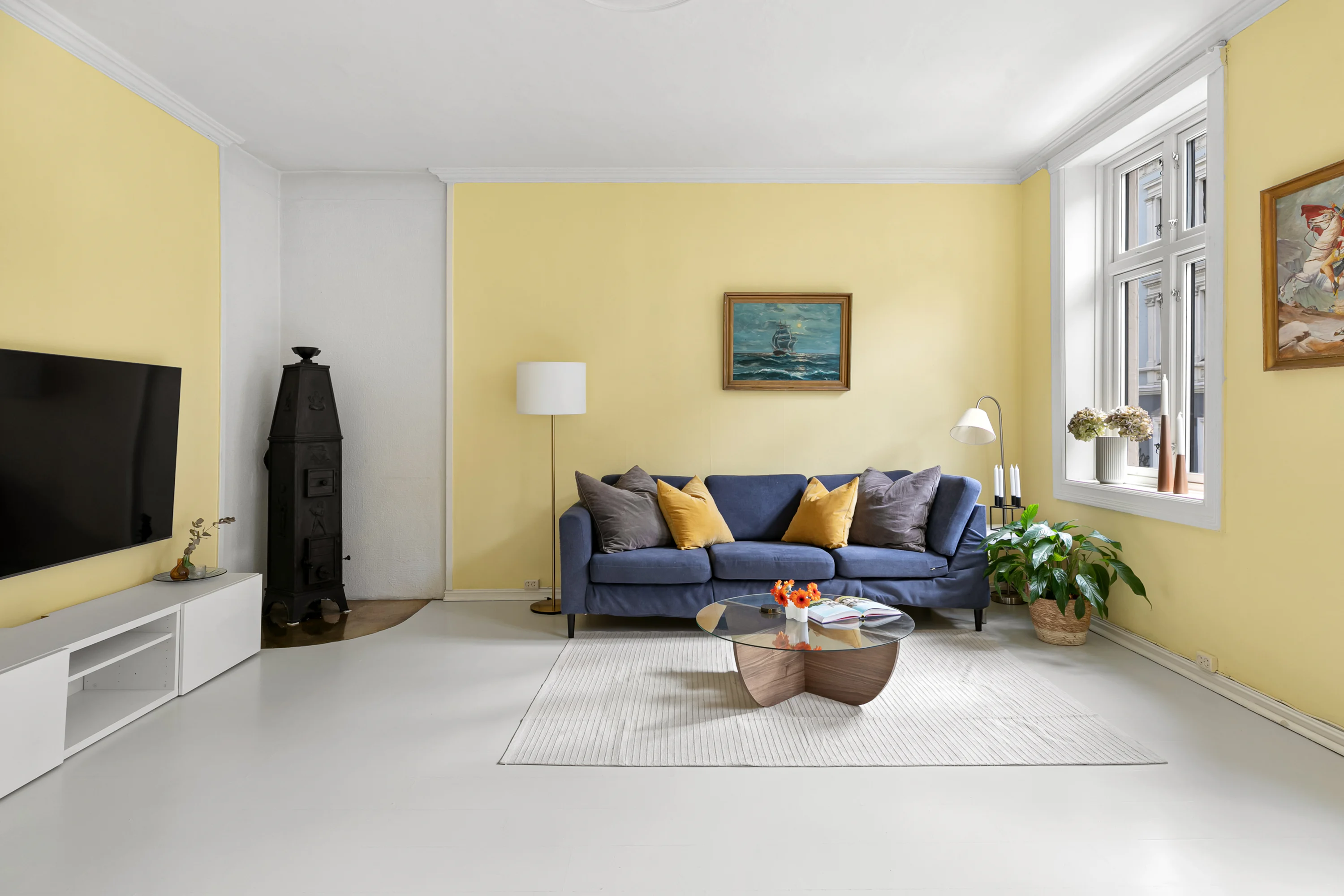
Creating a peaceful home environment begins with thoughtful color choices. As someone who has spent years advising clients, from small apartments to larger family homes in the US, I’ve seen firsthand the profound effect natural hues have on well-being. There’s a tangible difference when a space is bathed in colors drawn from the earth, sky, and plants. This approach isn’t just about aesthetics; it’s about crafting a sanctuary that genuinely feels restorative. It helps us disconnect from external pressures and reconnect with a sense of calm. The strategy revolves around selecting the right natürliche farbtöne wohnen that speak to tranquility and comfort.
Overview
- Natural color palettes foster a calm and restorative home atmosphere.
- Real-world experience shows these tones significantly impact emotional well-being.
- Selecting natürliche farbtöne wohnen involves understanding undertones and light conditions.
- Strategic use of textures and materials complements natural hues for depth.
- Integrating natural light and plants enhances the inherent serenity of these palettes.
- Small, intentional shifts in color can yield substantial positive changes in living spaces.
- The goal is to create a personal sanctuary that reflects peace and natural beauty.
Choosing the Right natürliche farbtöne wohnen
My journey with natural color palettes started subtly. Clients often expressed a desire for “more peace” or “less visual clutter.” That’s when I realized the power of colors like muted greens, soft blues, sandy beiges, and warm grays. These aren’t just trendy shades; they are fundamental to creating harmony. The key is understanding their undertones. A seemingly neutral beige can lean pink, yellow, or gray, completely changing how it interacts with light and other elements in the room.
When guiding a selection, I always start by observing the room’s natural light. North-facing rooms often benefit from warmer, more inviting natural tones to counteract cooler light. South-facing rooms, receiving abundant warm light, can handle cooler neutrals or deeper earthy shades without feeling cold. It’s a dance between the inherent qualities of the space and the desired emotional response. For instance, a soft, sage green can bring a sense of the outdoors in, perfect for a bedroom where serenity is paramount. This careful selection of natürliche farbtöne wohnen ensures the palette feels inherent to the space.
Implementing natürliche farbtöne wohnen in Your Home
Once the core palette is established, the next step is implementation. It’s not just about wall paint. Furniture, textiles, and accessories play equally vital roles. Think about layering: a muted beige wall paired with a linen sofa in a slightly deeper taupe, accented by pillows in a soft, mossy green and perhaps a throw in an oatmeal texture. This layering adds depth and interest without overwhelming the senses. I often suggest clients start small, perhaps with a single accent wall or new textile choices, to experience the shift before committing to larger changes.
Texture is another unsung hero when working with natural colors. A flat painted wall can feel stark, but the same color on a textured wallpaper or a lime wash finish becomes infinitely richer. Natural materials like wood, wool, cotton, and stone integrate seamlessly. They add warmth and authenticity, grounding the space. Even in a modern setting, integrating rough-hewn wood elements or woven baskets can introduce organic softness. This mindful approach to applying natürliche farbtöne wohnen extends beyond just color, encompassing the tactile experience of the home.
The Science Behind Calming Color Palettes
While my work is practical, it’s also rooted in understanding human psychology. Natural colors often mimic shades found in nature, triggering an innate sense of calm and safety. Blues evoke the sky and water, promoting relaxation. Greens are associated with growth and renewal, reducing stress. Earthy tones like browns and beiges create a sense of stability and warmth. These psychological associations are not cultural constructs but deeply ingrained responses.
A monochromatic palette of soft grays or creams, for example, can be incredibly soothing. It removes visual distraction, allowing the mind to rest. When colors are too vibrant or disparate, they can stimulate the brain, leading to restlessness. My experience shows that homes designed with these principles help residents feel more at ease, sleep better, and generally experience less anxiety within their own four walls. It’s about designing environments that support mental and emotional well-being, rather than just looking good.
Practical Tips for a Serene Living Space with natürliche farbtöne wohnen
My best advice for anyone wanting to incorporate natural tones is to collect samples. Paint swatches should be larger than you think, painted onto poster board, and observed at different times of day. This shows how light truly interacts with the color. Don’t be afraid to mix and match textures; a smooth ceramic vase next to a rough-hewn wooden bowl creates visual interest. Introduce living plants. They instantly add freshness and another layer of natural green, bringing life into the chosen color scheme. Even small details, like changing out brightly colored picture frames for wooden or matte finishes, can contribute to the overall calm.
Remember, a serene space is a personal one. While there are guidelines, the goal is to create an environment that feels uniquely peaceful to you. Step back frequently during the process. How does the room feel? Does it invite relaxation? Sometimes, the slightest adjustment, like moving a piece of furniture to allow more natural light, makes a significant impact on how the natürliche farbtöne wohnen are perceived. Trust your intuition; your home should be a reflection of your ideal peaceful haven.